 Apr 24, 2025



 Apr 24, 2025
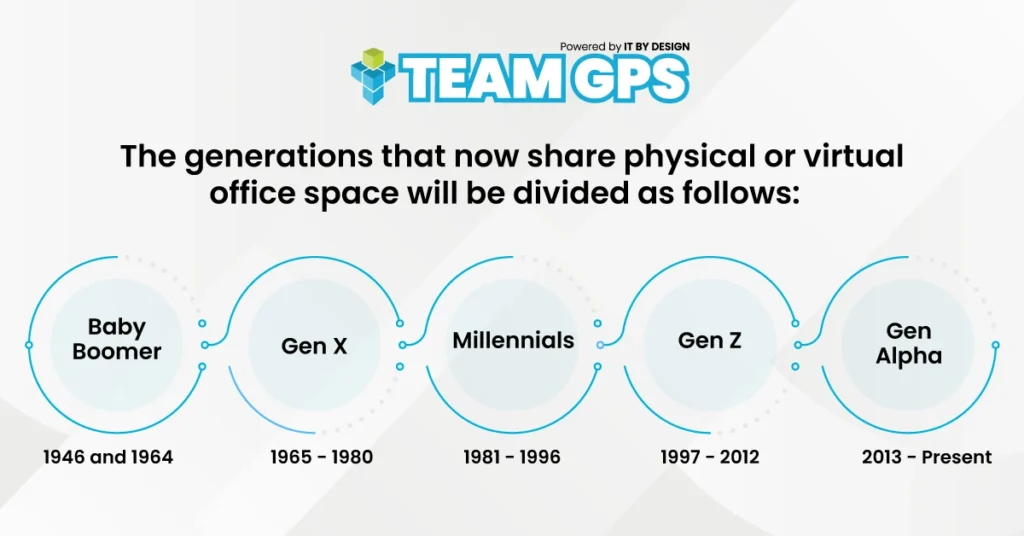
Today’s workplace is the first in history to have five generations working together. All generations, from Baby Boomers to Generation Alpha, contribute distinct viewpoints, communication preferences, and expectations. Companies attempting to build cohesive, engaged teams have both tremendous potential and formidable obstacles because of this unparalleled variety.
The basic employee satisfaction survey is at the center of managing this multigenerational environment. When used properly, this instrument may change workplace dynamics and propel corporate success across generational boundaries.
The age range of today’s workforce is more than 50 years, and each generation has been influenced by different historical occurrences, technical advancements, and cultural changes. Organizations with high levels of employee engagement across generations beat their rivals by 147% in terms of earnings per share, citing a current Gallup study. However, according to the same study, just 34% of employees feel engaged at work, with generational differences being particularly noticeable.
In this complicated climate, the conventional yearly employee satisfaction survey is no longer enough. Nuanced strategies that take into consideration generational differences and promote a cohesive workplace culture are necessary for modern firms.
More dynamic methods are gradually replacing traditional yearly surveys. Sophisticated techniques available on contemporary employee engagement platforms can capture generational subtleties while preserving corporate cohesiveness.
Today’s leading employee engagement platforms incorporate features specifically designed to accommodate generational preferences:
Pulse surveys have emerged as powerful complements to traditional employee satisfaction survey approaches. These brief, frequent check-ins are particularly appreciated by Millennials and Gen Z employees who value regular feedback.
Consider this balanced approach:
This layered approach ensures all generations receive feedback opportunities aligned with their preferences while providing management with continual insights.
People’s preferences for how their efforts are recognized vary greatly by generation, and this must be taken into consideration by effective employee recognition programs.
You should base the design of your employee appreciation programs on the results of your employee satisfaction survey. Examine these preferences by generation:
Effective employee rewards programs leverage employee satisfaction survey data to ensure alignment with what motivates your multi-generational workforce:
The right technological ecosystem can bridge generational divides by accommodating diverse preferences while facilitating cohesive team dynamics.
Modern group meeting software should accommodate different communication styles and technology comfort levels:
Organizations effectively leveraging group meeting software report 23% higher meeting productivity and increased cross-generational collaboration.
One-on-one meeting software complements broader employee satisfaction survey efforts by facilitating personalized conversations:
Career development remains one of the top factors influencing employee satisfaction across all generations, yet the approach to growth varies dramatically based on age and experience. Your employee satisfaction survey data likely reveals these distinct patterns, showing how Baby Boomers might seek legacy-building opportunities while Gen Z employees crave rapid skill acquisition and advancement.
The most effective organizations use employee engagement platforms to track these generational differences in career aspirations and create personalized development pathways accordingly. A 2024 Gartner study found that companies offering generation-specific career development options experienced 29% higher retention rates and 24% higher employee engagement scores compared to those with one-size-fits-all approaches.
Your employee satisfaction survey becomes particularly valuable when it helps identify not just what each generation wants in terms of development, but also how they prefer to learn and grow. For instance, Baby Boomers may prefer structured mentorship programs, while Millennials often seek rotational assignments that provide varied experiences.
Effective employee development programs leverage employee satisfaction survey insights to create growth opportunities that resonate across generations:
Organizations that align employee development initiatives with generational preferences see 34% higher retention and 22% higher productivity, according to LinkedIn’s Workplace Learning Report.
Goal management software must accommodate generational differences in how people approach objectives:
Transforming your employee satisfaction survey approach doesn’t happen overnight. Consider this phased implementation:
Immediate actions (1-3 months):
Medium-term investments (3-9 months):
Long-term vision (9-18 months):
Organizations with generation-aware employee satisfaction survey strategies report significant business impacts:
According to Gallup research, companies with highly engaged multi-generational workforces outperform their competitors by 21% in profitability.
The multi-generational workplace isn’t just a temporary phenomenon—it’s our new reality. Organizations that master the art of gathering and acting on employee satisfaction survey data across generations will gain significant competitive advantages in talent attraction, retention, and productivity.
At Team GPS, we understand the complexities of navigating this generational landscape. Our comprehensive suite of employee engagement platforms is specifically designed to bridge generational gaps while fostering cohesive workplace cultures.
Don’t let generational differences become workplace divides. With the right employee satisfaction survey strategy, every generation can thrive together— creating a workplace that truly works for everyone. Schedule a call with us now.